
About the Cialdini Institute
Learn the science behind influence.
Millions of people have read Dr. Robert Cialdini's books and have questions about the research. They may ask where the seven principles came from, or whether they still hold today. Here is how the research answers questions like these.

Where it all began
Where the research began.
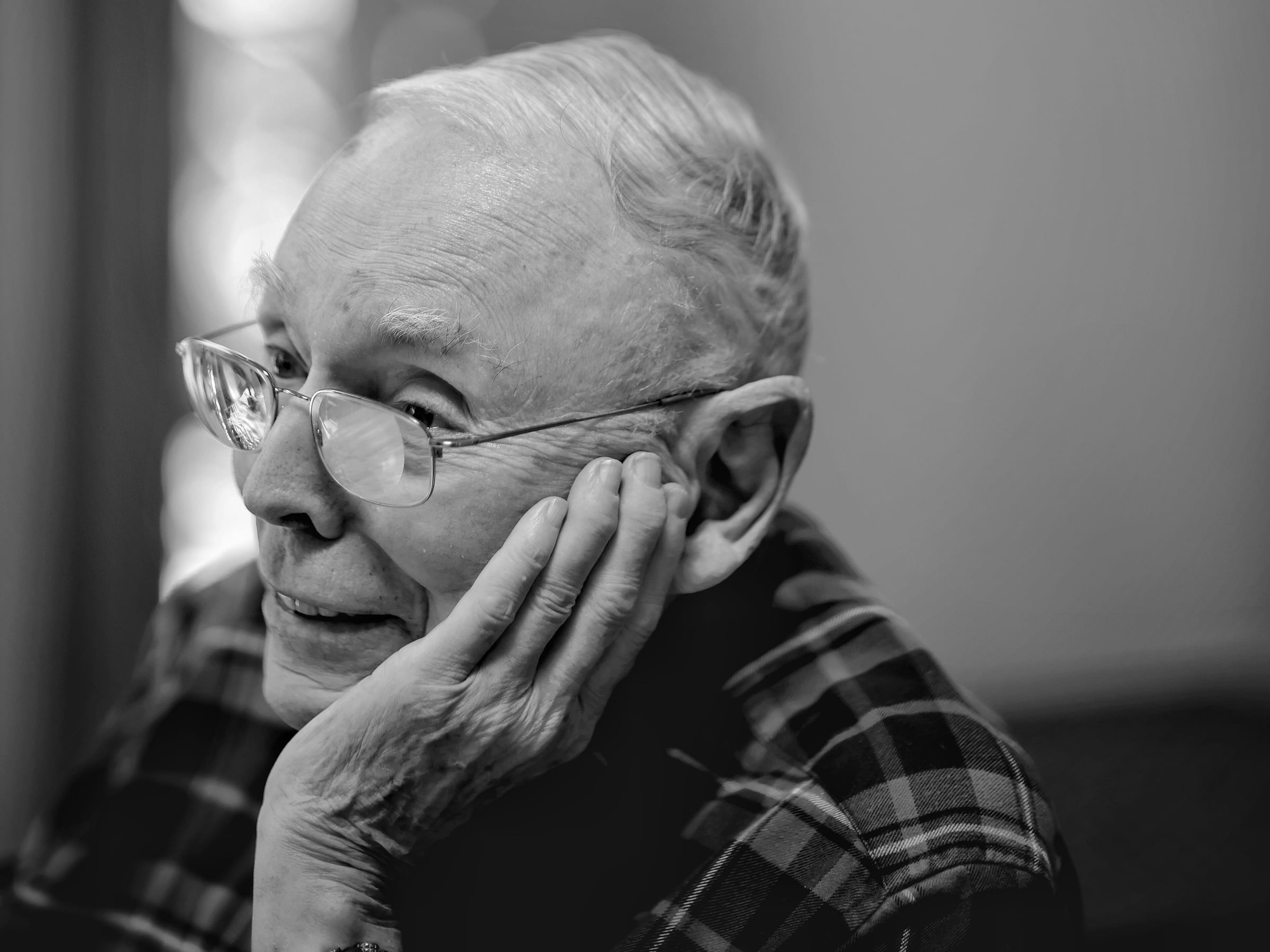
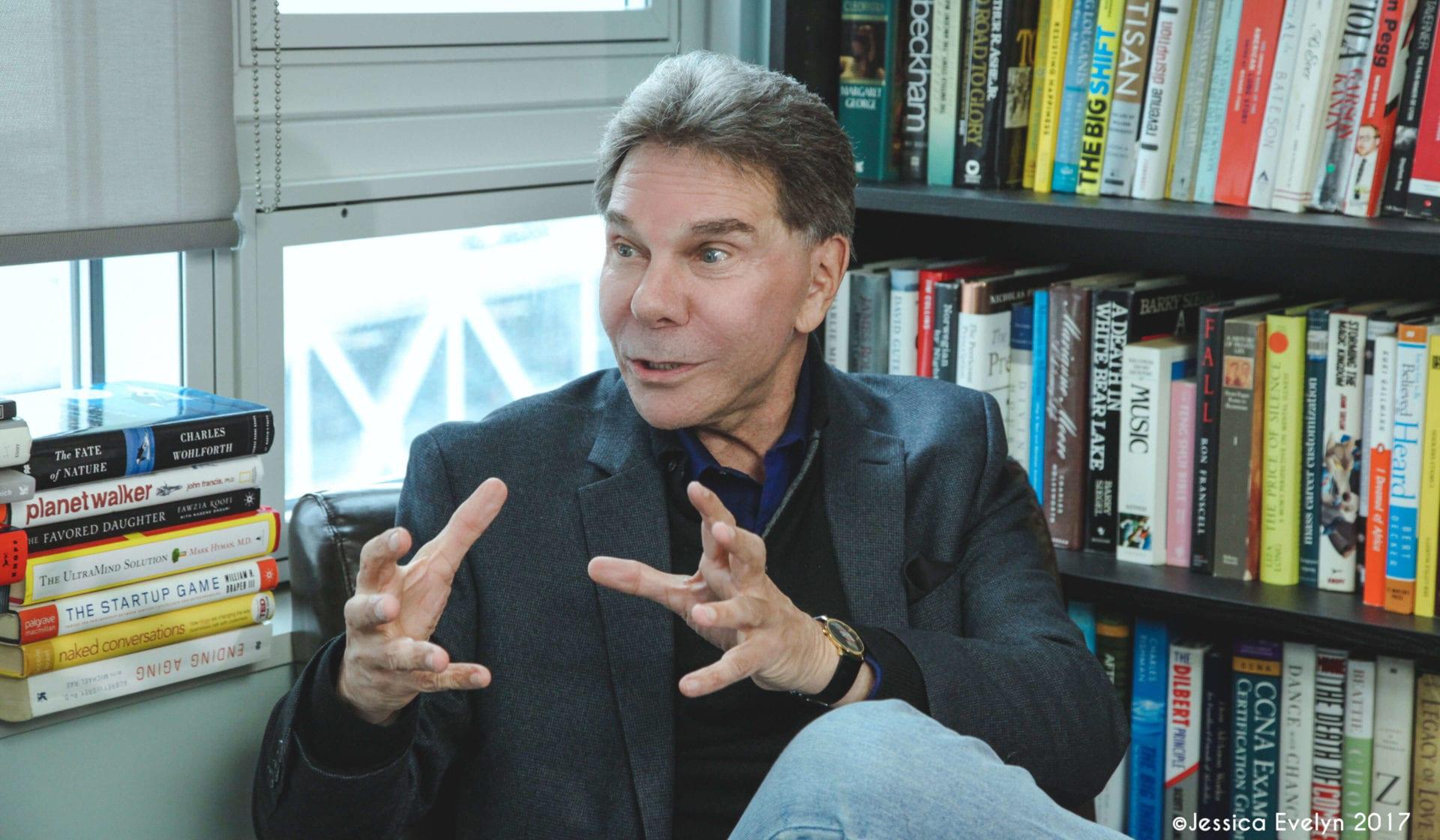
It started with one researcher's question: what leads people to agree to a request? Dr. Robert Cialdini has spent his career answering it. His answer, the seven principles of persuasion, explains why some requests work and others don't.
He is Regents' Professor Emeritus of Psychology and Marketing at Arizona State University, and in 2019 he was elected to the National Academy of Sciences.
“Robert Cialdini has had a greater impact on my thinking than any other scientist.”
The science
Seven principles explain how influence works.
The seven principles put decades of research into a short list you can use. Each one names one reason people agree to a request.
Contrast is not an eighth principle. It is an amplifier: what comes first changes how the next thing is judged. To see which principles you use most, take the Influence GAP Assessment.
To become more influential, you need to practice them: learn which ones you rely on and which you leave unused.
The seven principles of persuasion:
- Reciprocity: Give first. Receive more.
- Scarcity: Less available. More desired.
- Authority: Credible experts are persuasive.
- Commitment and Consistency: Small commitments lead to bigger ones.
- Liking: People say yes to people they like.
- Social Proof: People follow the lead of similar others.
- Unity: Shared identity moves people.

Common questions
Common questions about the research.
Here are the questions people ask before they start:
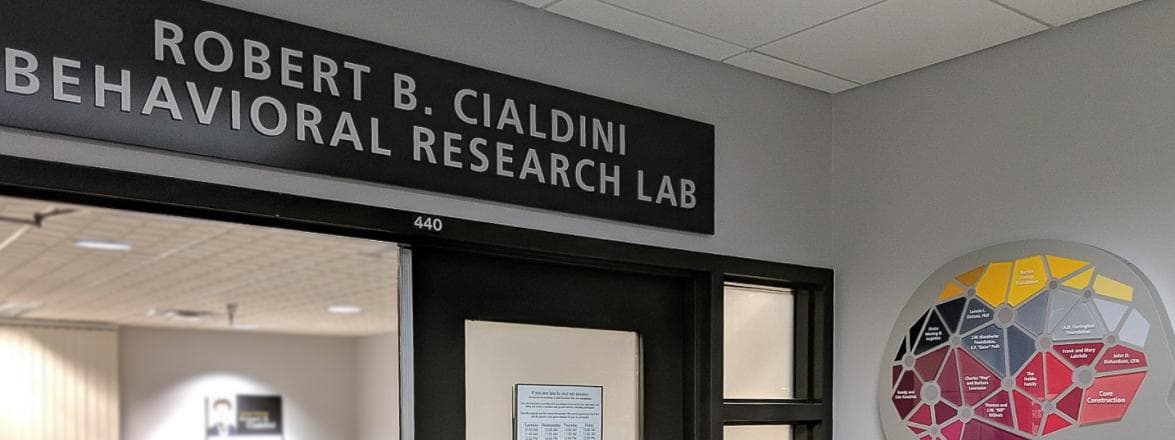
Yes. Every principle traces back to published, peer-reviewed research, much of it from the Robert B. Cialdini Behavioral Research Lab at Arizona State University.
Yes: reciprocity, liking, social proof, authority, scarcity, commitment and consistency, and unity. Contrast is not an eighth principle: it amplifies the other seven.
No. Every program follows the Cialdini Code of Ethics: be truthful, forgo manipulation of people and of facts, and inform people into agreement. Learning the principles also helps you recognize manipulation when it is used on you.
Samir Patel is Chairman. Four decades of research on ethical influence are the foundation of everything the Institute teaches.
Start with the free Influence GAP Assessment. Then choose a program: the CCP Course online at your own pace, or the two-day Principles of Persuasion (POP) workshop in person.
The record
The research behind the principles.
Each principle comes from controlled experiments, published and peer-reviewed. More than 500 organizations, including Fortune 500 companies, have trained with the Institute.
- 40+
- years of research on what leads people to agree
- 12M+
- copies of his books sold
- 52
- languages his books are published in
- 500+
- organizations trained, including Fortune 500 companies
Trusted by organizations that depend on influence.










- Prudential


















- RE/MAX






- Federal Executive Institute



- London Business Forum


A legacy of influence
Dr. Cialdini's books.
He set out the principles in Influence, then showed in Pre-Suasion how the moment before a request changes how it lands. His research still shapes how influence is taught.
Milestones
- 1967
B.S. in Psychology from University of Wisconsin
- 1970
Ph.D. from University of North Carolina; post-doctoral training at Columbia University
- 1984
Publication of Influence: The Psychology of Persuasion
- 1999
Co-founded Influence at Work (IAW) consulting firm
- 2001
Published Influence: Science and Practice (4th edition)
- 2016
Publication of Pre-Suasion: A Revolutionary Way to Influence and Persuade
- 2018
Elected to the American Academy of Arts & Sciences
- 2019
Elected to the National Academy of Sciences
- 2021
Publication of Influence, New and Expanded edition with the 7th principle: Unity
- 2024
Launch of the Cialdini® Institute, expanding access to evidence-based influence training
Awards and honors
- Regents' Professor Emeritus, Arizona State University
- Elected to the American Academy of Arts & Sciences (2018)
- Elected to the National Academy of Sciences (2019)
- Honorary Doctorates from Georgetown University, University of Wroclaw (Poland), and University of Basel (Switzerland)
- Distinguished Scientific Contribution Award, Society for Consumer Psychology
- Donald T. Campbell Award, Society for Personality and Social Psychology
- Fellow, American Psychological Association
- Visiting Scholar: Stanford GSB, Ohio State, UC, Annenberg School of Communications
- 12+ Million copies of his books sold worldwide in 52 languages
- New York Times, Wall Street Journal, and USA Today Bestselling Author
Read the research
Read the research.
Start with the books where Dr. Cialdini set out the principles, then read the studies themselves.
- 1984, expanded 2021Influence: The Psychology of PersuasionThe book that named the principles, now with the seventh: unity.About the book
- 2016Pre-SuasionHow the moment before a request changes how it is received.Every book
- Watch and listenKeynotes, interviews and pressHis talks, TV appearances and podcast interviews in one place.Media library
- BiographyRobert Cialdini's full biographyHis career, his research and the record behind it.Read
Get the newsletter. Be among the first to read new articles on influence, with one principle in each newsletter.
Our foundation
The Cialdini Code of Ethics.
Knowing how influence works comes with a duty to use it well. Every program follows these nine rules.
Be truthful.
Forgo manipulation of others.
Forgo manipulation of facts.
Use the principle(s) that already exist naturally in your situation.
Use the principle that demonstrates what is wise for all concerned.
Refrain from using any Principle in a way that could injure your relationship.
Inform (that is, educate) people into agreement.
Ensure any "contrast" used is relevant to the situation.
Own up to any mistake ASAP.
Our team
The work continues at the Cialdini Institute.
The Institute certifies Influence Coaches and CMCTs, who bring the principles to clients around the world. Samir Patel is Chairman, and the team below designs and runs every program.
- Dr. Robert CialdiniFounder, Cialdini InstituteRegents’ Professor Emeritus of Psychology and Marketing and the author of Influence and Pre-Suasion, whose research introduced the Principles of Persuasion.
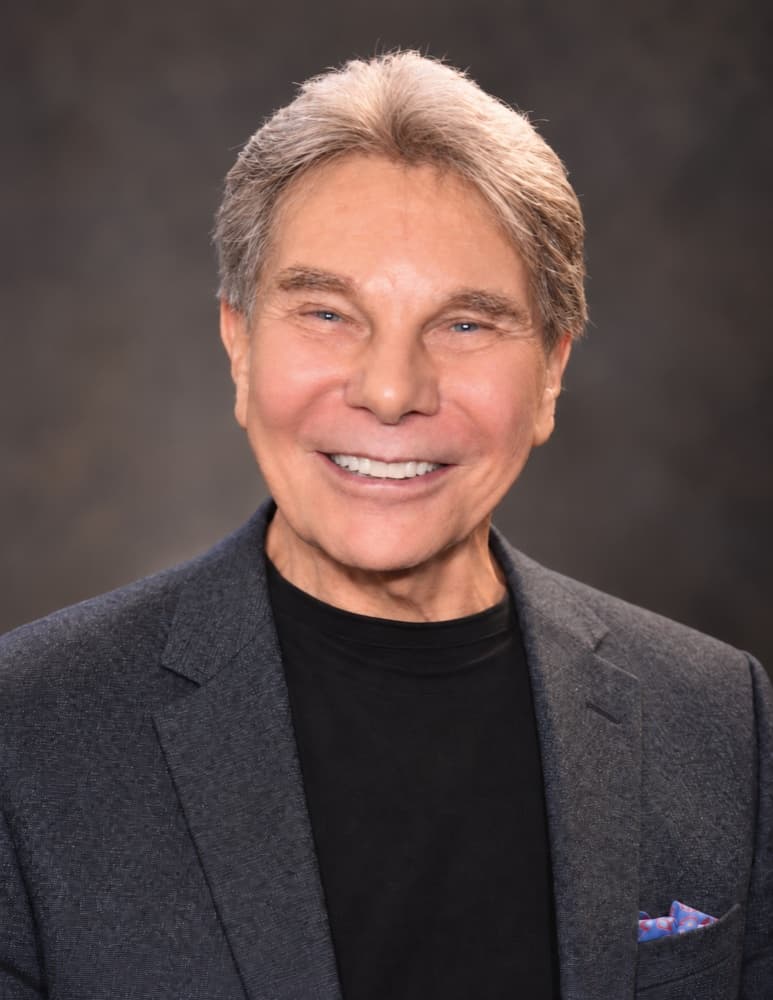
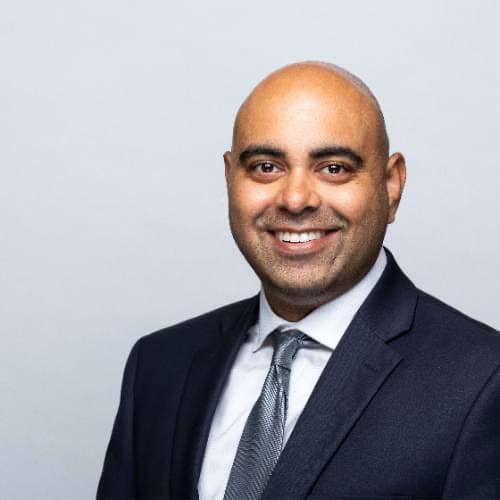
- Samir PatelChairmanFounder of Trophy Point Investment Group, and a West Point graduate and U.S. Army Reserve officer who teaches real estate entrepreneurship at Georgia State University.
- Eily-Jane (EJ) CartwrightOperations ManagerHas worked with Dr. Cialdini for more than 20 years, and leads customer relations at the Cialdini Institute.

- Vasu SinghBusiness ManagerSupports operations, strategy and business development: organizing projects, building internal systems and streamlining processes across the team.

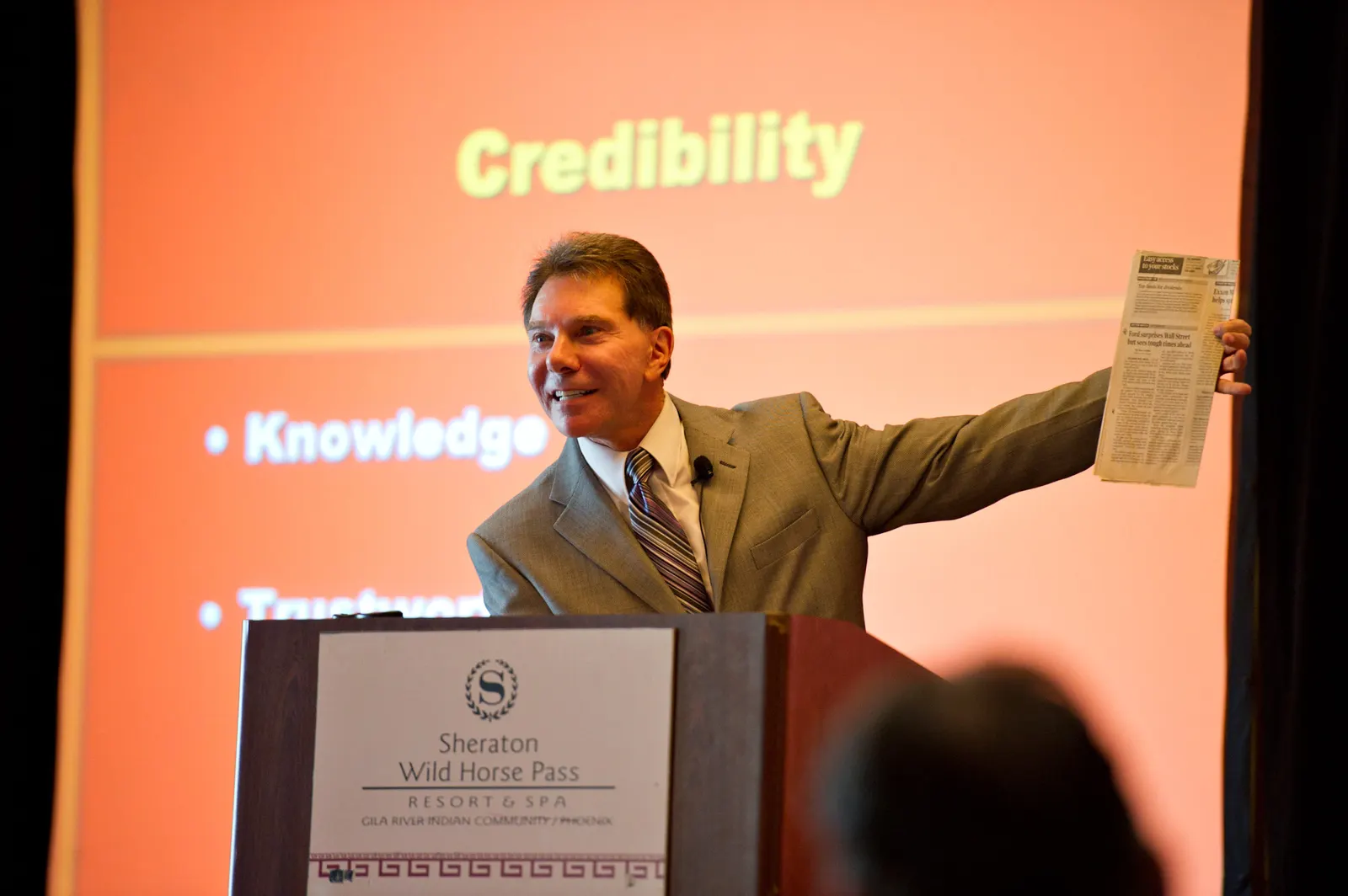
Presenting the research on credibility
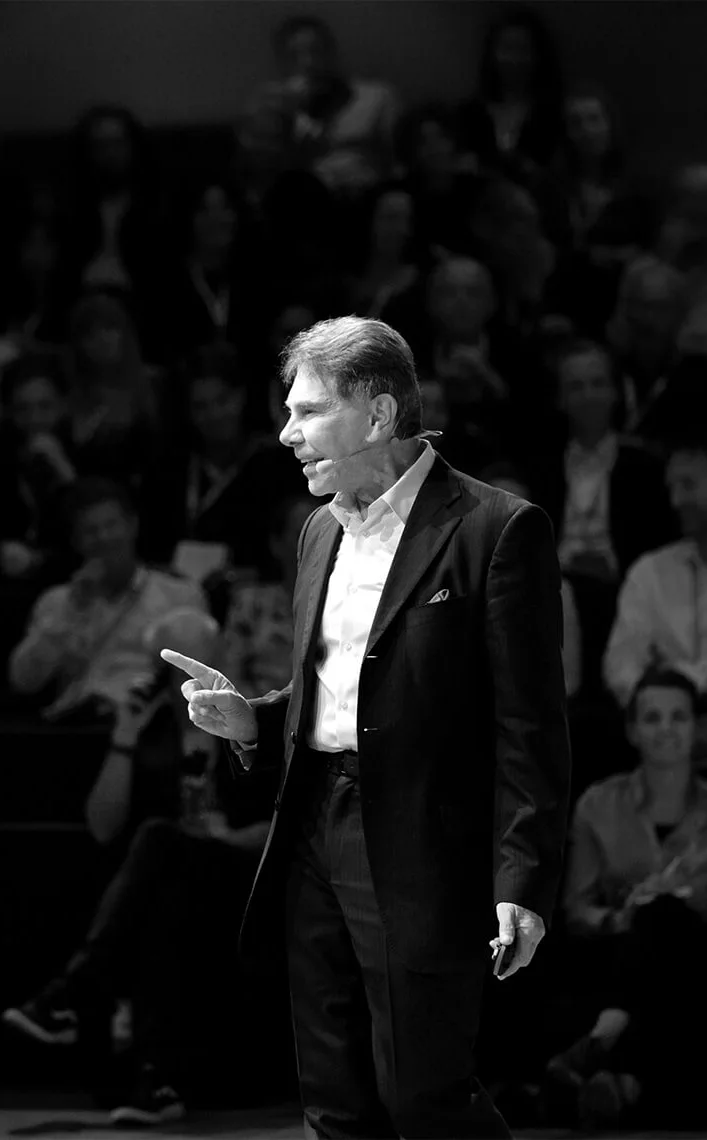
Keynote
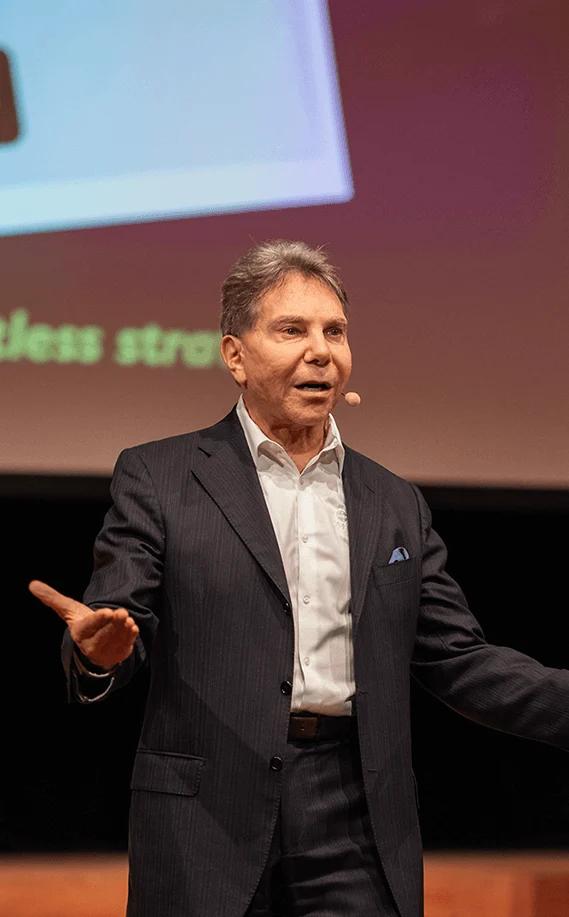
On stage
Put the science of influence to work.
Start with the free Influence GAP Assessment, then choose the program that fits.
Prefer to talk first? Contact the Institute